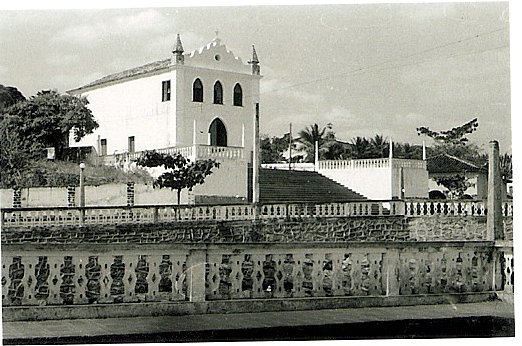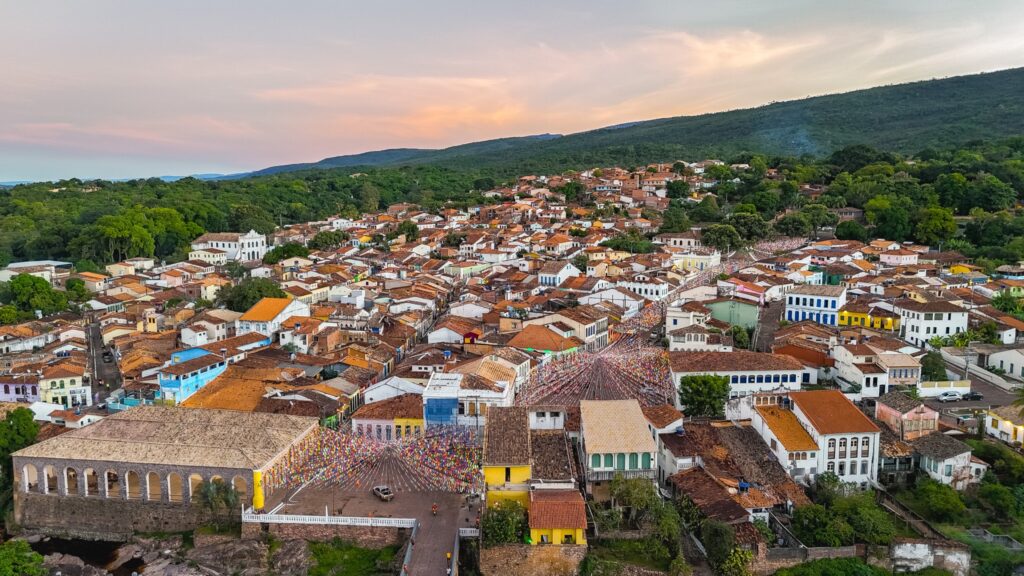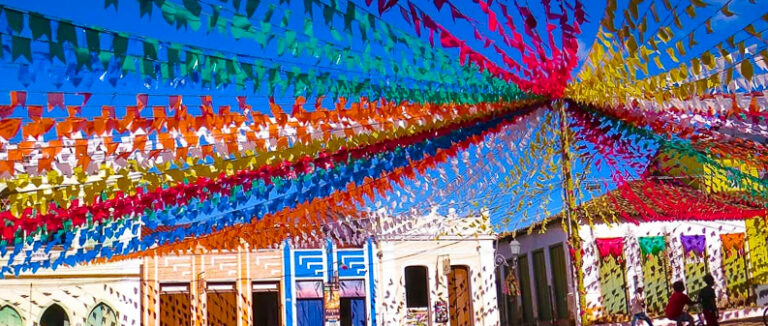
Founded in the mid-19th century, Lençóis's origins were marked by the diamond cycle, which attracted explorers and merchants, transforming the region into one of Brazil's most important economic centers at the time. As in much of that historical period, this prosperity was also linked to enslaved labor, the memory of which is part of the city's cultural and social construction. Today, this heritage is perceived in the preserved architecture, traditions, and the resilient identity of Lençóis, which has managed to reinvent itself over time.
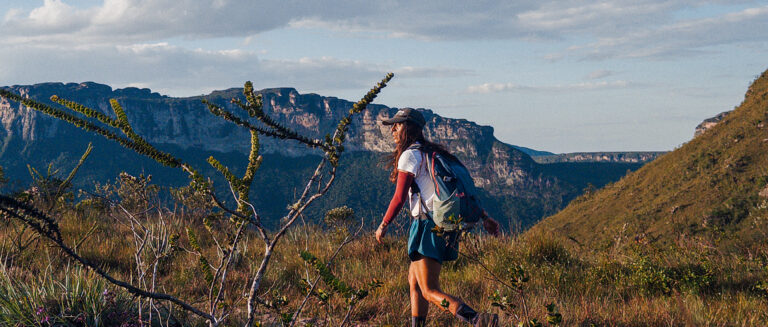
With the decline of mining, the city found a new path in ecotourism, and not by chance. Lençóis is the main gateway to the Chapada Diamantina National Park, one of the most impressive natural areas in the country. What's most unique is that, starting from the historic center itself, just a five-minute walk away, you can already access trails leading to rivers, natural pools, and unique rock formations. This proximity between city and nature creates a rare experience, where there is no break between the urban and the wild.
From Lençóis, some of the Chapada's most iconic trails depart, such as Ribeirão do Meio, ideal for a first contact with the region, as well as access to iconic landscapes like Cachoeira da Fumaça, one of the highest in Brazil, and Morro do Pai Inácio, famous for its panoramic sunset views. These are settings that combine canyons, mountains, valleys, and rich biodiversity, making the region one of South America's main ecotourism destinations.
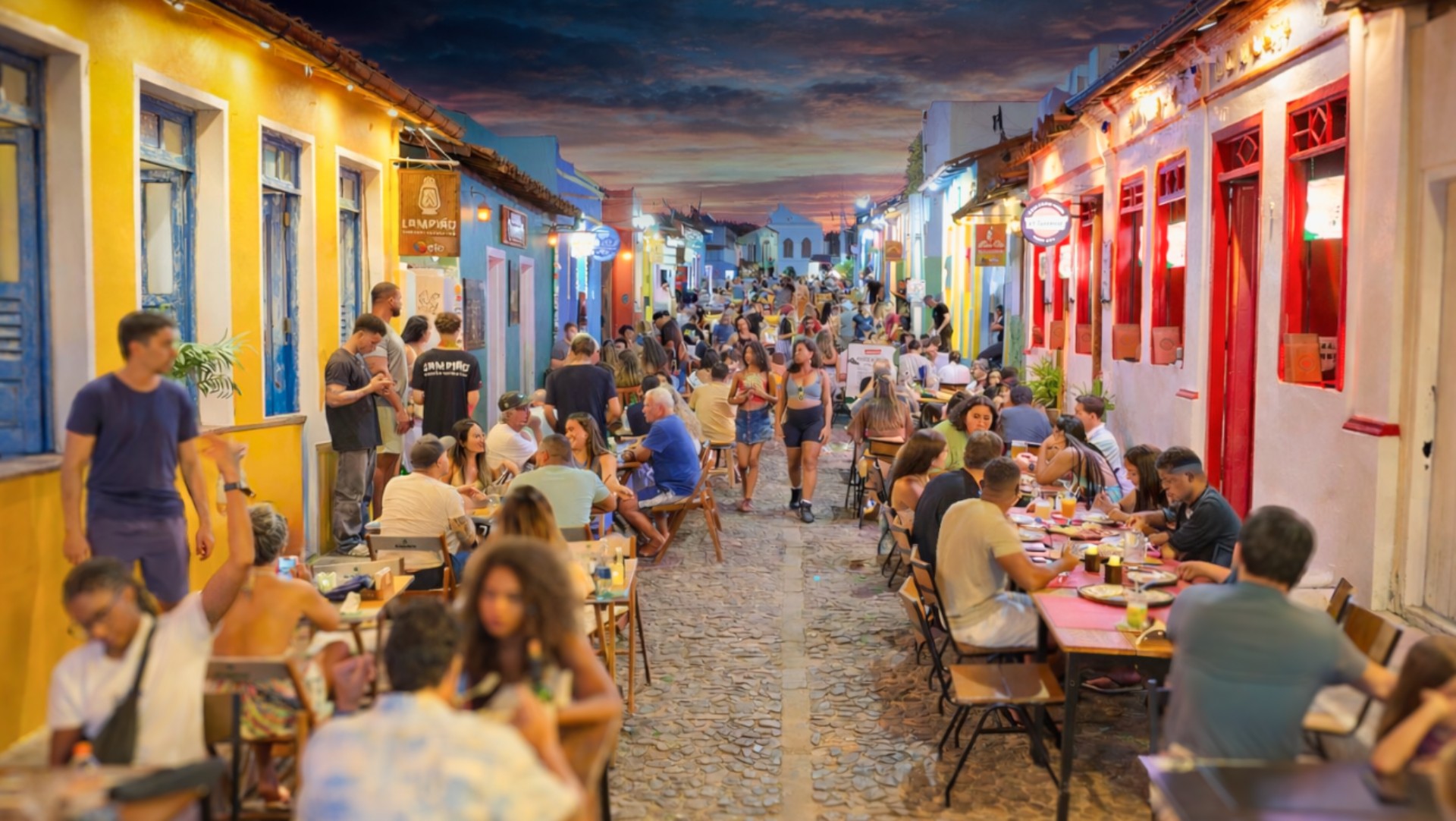
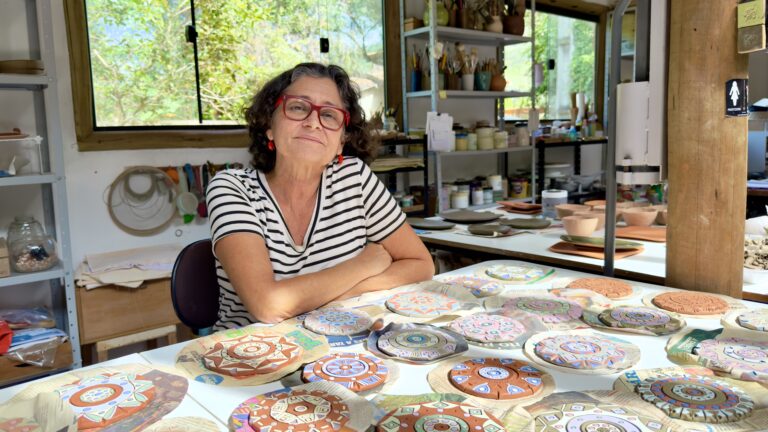
Despite this natural grandeur, life in Lençóis unfolds in a simple and fluid manner. The town is small, safe, and can be explored entirely on foot. Walking its streets is an essential part of the experience, whether during the day, discovering small shops, ateliers, and galleries, or at night, when the town takes on a light rhythm, with music, conversations, and soft lighting that highlights its historical heritage.
The gastronomic scene in Lençóis is another highlight, surprising with its quality and authenticity. Restaurants like Cozinha Aberta, by Débora Doitschinoff, offer a creative and contemporary approach with a strong connection to local ingredients. Restaurante Lampião values regional cuisine with identity and consistency, while Restaurante Azul, located within Hotel Canto das Águas, proposes a sensory experience of the silence created by the rushing river, with a menu influenced by African and Northeastern Brazilian cuisine, as well as French-Italian classics. The veranda overlooking the Lençóis River makes Azul one of the most pleasant places to lunch and dine in the city. For a delicate break, Joara Ferraz's afternoon tea is a ritual in itself, combining care, flavor, and a delightful intimate charm.
The city also houses spaces dedicated to local art and culture. Galleries like Nativa showcase curated Latin American art, a vibrant space of ancestry and respect, while Gruna, located within Hotel Canto das Águas, proposes a photographic dialogue between art and nature, reinforcing the destination's creative and authorial character.
As night falls, Lençóis reveals a quiet and safe nightlife, where bars and restaurants become gathering spots without excess. There's no rush, no exaggerated hustle, just an invitation to enjoy time with quality.
Lençóis is, therefore, a destination that reveals itself gradually. Between the memory of diamonds, the force of nature, and the lightness of everyday life, the city offers an authentic experience, where everything seems to happen at just the right pace, and where exploring and resting cease to be opposites and become part of the same rhythm.