São João in Lençóis:
Fire, abundance and the music of the Nordeste
Before it was a Brazilian festival, São João was already a celebration of time. In the Northern Hemisphere, June marked the summer solstice, when the sun reached its greatest strength and ancient peoples celebrated the fertility of the earth, the abundance of harvests, and the vital energy of light.
With Christianity, this symbolic force found a new form. The Church brought these ancient solar celebrations closer to the birth of São João Batista, on June 24. Unlike most saints, remembered above all on the date of their death, São João is celebrated for his birth. This singularity gives the feast a rare spiritual weight: a nativity that, in the emotional calendar of the Nordeste, often holds a place as powerful as Christmas.
In Brazil, the festival arrived through Portuguese tradition but took on a new form. It encountered indigenous lands, the African presence, native foods of the Americas, and popular musicality. The Brazilian São João ceased to be merely a European inheritance. It became its own language, deeply connected to the countryside, the harvest, the kitchen, and coming together.
In the Northeast, this language became even stronger. June is the season of corn, cassava, peanuts, cakes, canjica, liqueur, bonfires and abundant tables. Plenty appears as a sign of life, harvest and community gathered together. Food carries memory: it comes from the earth, passes through hands, reaches the table and crosses generations.
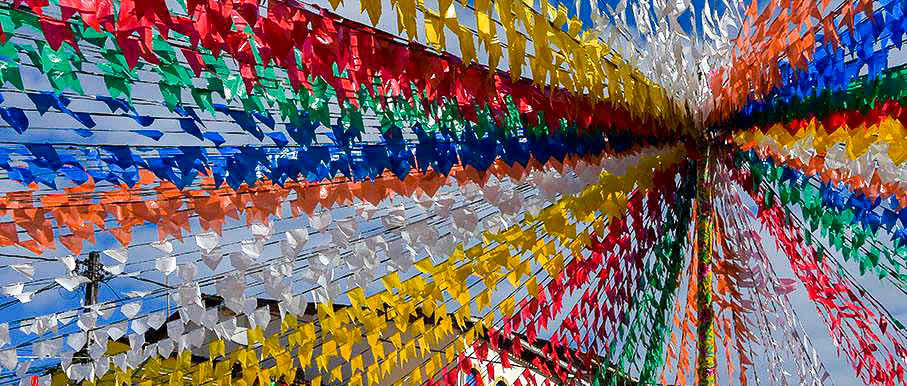
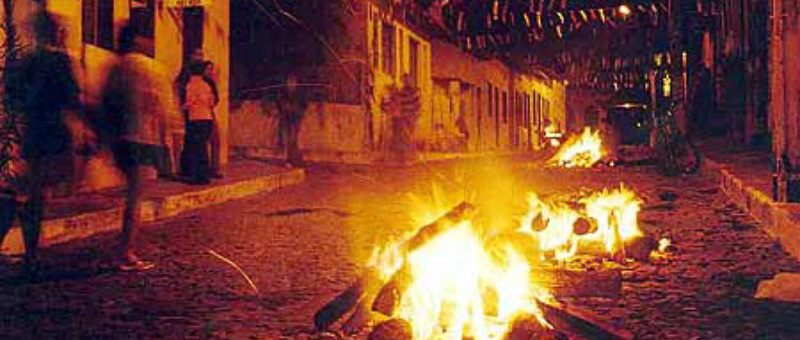
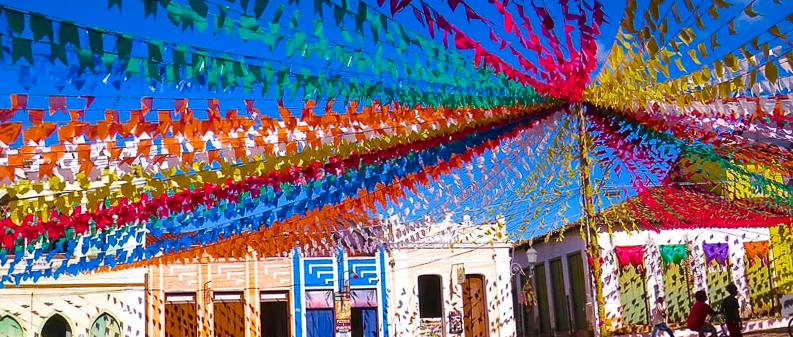
In Lençóis, in the Chapada Diamantina, São João takes on the scale of the town. The stone streets fill with colorful bandeirolas. Historic façades glow in the warm light of bonfires. The cool mountain air brings people closer. Music moves through the night. Forró, baião and arrasta-pé create a soundtrack that needs no explanation for those born here, yet captivates everyone who arrives from elsewhere.
The bonfire may be the oldest and most powerful symbol of this celebration. It gathers the many layers of the feast: the solar fire of ancient European celebrations, and the Christian light associated with the birth of São João. In Lençóis, each bonfire seems to awaken a collective memory. Fire illuminates the stone, warms the night and transforms the town into one great place of gathering.
For this reason, São João in the Northeast cannot be reduced to the idea of a typical festival. It expresses identity. It carries faith, food, music, body, territory and time. It holds the joy born from being together and from the annual repetition of simple gestures: lighting the bonfire, dressing the streets, preparing the corn, calling friends, dancing late into the night.
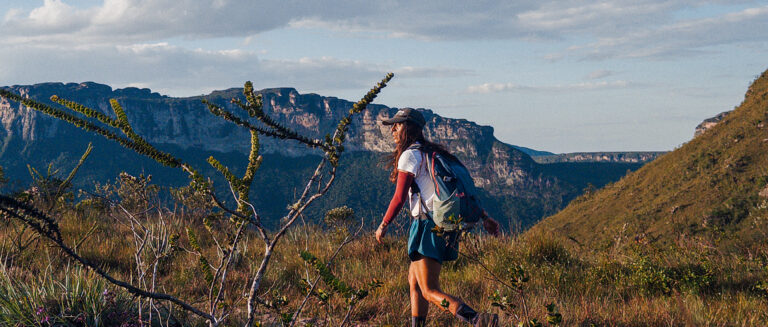
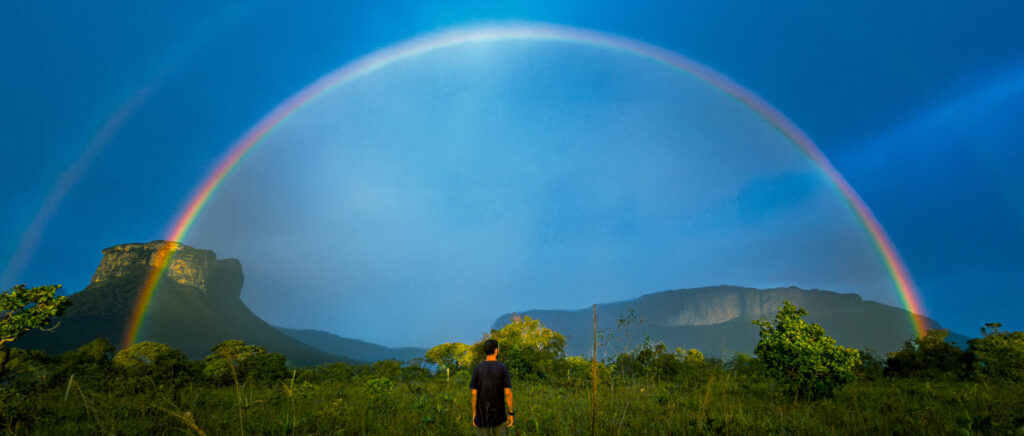
In Lençóis, this experience is woven into the landscape of the Chapada Diamantina. By day, rivers, trails, waterfalls and mountains. By night, the town illuminated, forró moving through the streets and the feeling of taking part in a celebration that existed long before any tourism campaign. São João here was not invented to be seen. It happens because it is part of life.
For those coming from elsewhere, perhaps this is the most beautiful discovery: entering a less obvious Bahia, more inland, deeper. A Bahia where fire speaks with stone, music with memory, and the abundance of the table with the strength of the land..
São João in Lençóis is a celebration of light in the Brazilian winter. A feast of harvest, friendship, food and music. One of the moments when the Northeast reveals, with rare intensity, the beauty of its living culture.
Photos: João Jasmin, Jesus Carlos, Gary Nedelisky